The Reminder Moved In

I got paid a week early this month. You'd think that's a good thing.
For years, I had a rhythm you could set a watch to: send my invoice on the 28th, get paid the first week of the next month, immediately pay my taxes. Receive, pay, done. No reminders, no mental load. The system ran itself.
This time, my boss paid me on the 20th. He didn't want to forget. In Mexico, you can't pay taxes until the following month. So for the first time in years, I set a reminder.
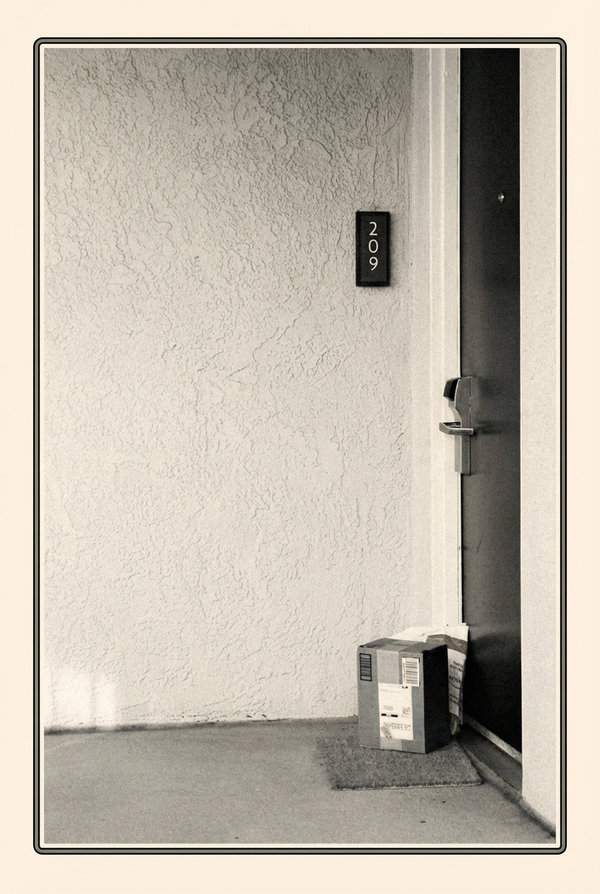
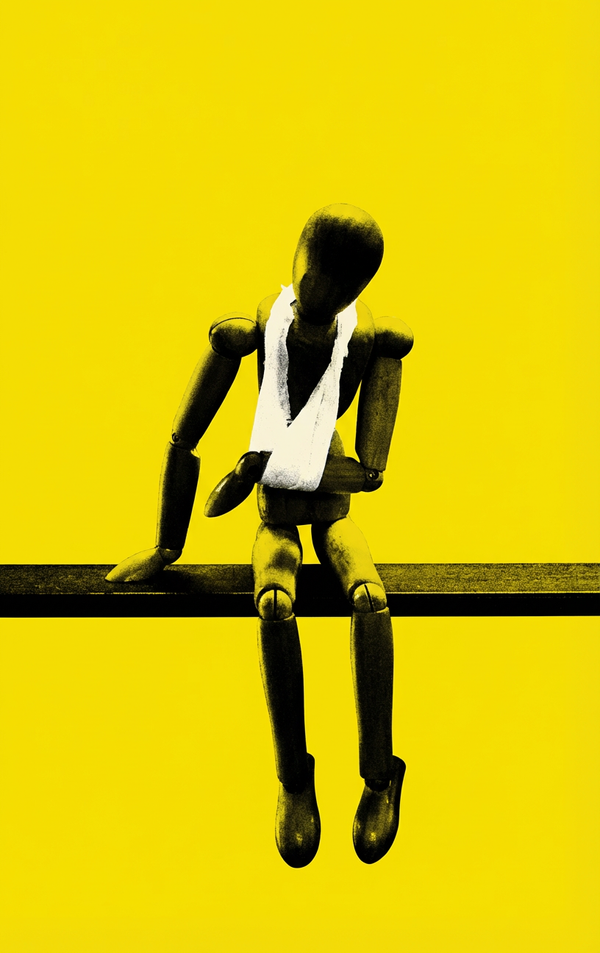
The reminder didn't just sit on my phone. It sat on my shoulders.
Not the taxes. The pending. Something unfinished, hovering over every morning like a guest who won't leave. I kept checking the date even though the reminder was already set. My mind was moonlighting as its own alarm, keeping the task alive, refusing to clock out.
I started asking around. I know someone who sets reminders for almost everything. They hit snooze so often the reminders become wallpaper — always there, never acted on, a weight they can never set down.
A friend once set three reminders to cancel a free trial. Three days before, two days before, one day before. He spent more time thinking about canceling that subscription than he ever did using it. The app cost $9.99. The mental real estate he gave it was priceless.
People live like this for weeks, sometimes months at a time. They carry tomorrow's weight today and think that's what being responsible feels like.
We've confused being organized with being burdened.
I hate the question "where do you see yourself in 5 years?" How the hell would I know? I don't even know what tomorrow looks like.
We've built a culture that treats premature awareness as a virtue. Set your reminders. Plan your quarter. Block your calendar. If you're not doing those things, you're irresponsible.
Wake up with a pending task ten days away and your morning coffee already tastes like an errand. Before anything has happened, you're carrying weight. That's not organization. That's anxiety dressed up as productivity.
Some reminders can't be avoided. Medical appointments, deadlines that don't bend. But a reminder set too far in advance doesn't remind you once. It reminds you every morning between now and then — a low hum you can't unhear.
I couldn't skip mine. Not paying taxes on time means penalties I can't afford. But the reminder itself was a cost. A daily tax on my peace of mind, collected each morning until the real one was paid.
Since then, I've moved toward fewer reminders. I feel the day open up again — like a window thrown wide after weeks of being cracked. The day is mine, not partially claimed by next Thursday's obligation, not already booked by something two weeks away.
Imagine waking up and your day is actually yours. Not borrowed against future obligations. Not already spoken for. Just yours.
That's not laziness. That's lightness.
The reminder was supposed to free your mind. Instead it moved in.
Handle what's in front of you. Trust yourself for the rest.
Look at your phone right now. Count how many reminders are for things more than a week away. Delete them. Set new ones the day before. See how your mornings feel.